

By ++Joshua Paul Logan Sr., S.T.D.
To restart a good habit after you miss a day, choose a smaller version of the action, attach it to a clear cue, and do it the next time that cue comes around. Give yourself a moment to learn what made yesterday hard. Then use what you learn to make today easier.
Imagine you meant to take a walk after work. A call ran late, dinner needed attention, and the shoes stayed by the door. The next day you might feel pressure to make up for the missed walk. Before you promise yourself twice the distance, ask what would actually get you out the door. A short walk before dinner may do more for your routine than a long walk you keep putting off.
How to restart a good habit with a smaller next step
Name the action in plain words. “Get healthy” can guide a season of your life. “Put on my walking shoes after I close my laptop” gives you something you can do on a Tuesday. The smaller action gives you a place to start when the day has already asked a lot from you.
Make the small version count. If you intended to read a chapter and managed a paragraph, let the paragraph be enough for today. If you planned to pray for twenty minutes and had two quiet minutes before the house woke up, use the two minutes. When you have more time, you can do more. The first decision is whether to begin.
Keep your goal in view while you choose the next move. If the habit is supposed to help you be more present with your family, a version that regularly steals time from them deserves another look. Choose a practice that fits the purpose you care about and the responsibilities you actually have.

Attach the next action to something you already do
Look for one event you can notice. For a morning reading habit, that might be starting the coffee. For a short evening walk, it might be putting your work bag away. Put the cue and action in one sentence. “After I start the coffee, I will read one paragraph.” Write it where you will see it.
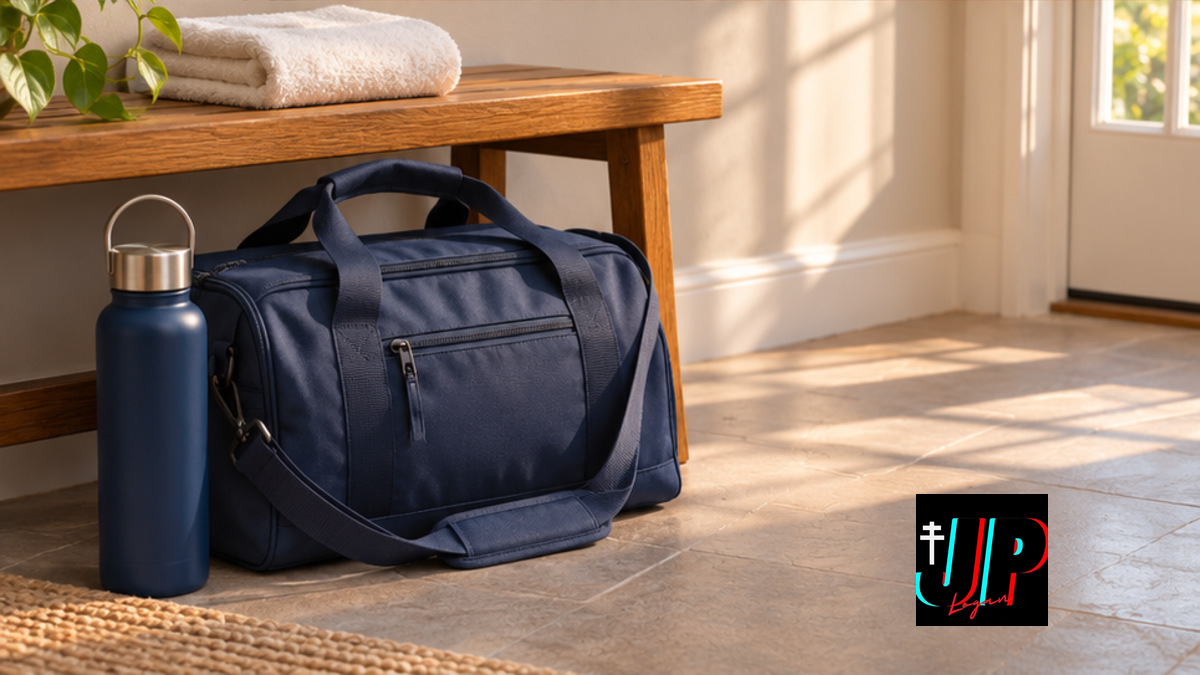
Prepare the spot so you can respond to the cue. Put the book next to the coffee supplies. Set your walking shoes by the door before bed. Leave your journal open to a clean page. Ask yourself what you would have to find, move, or decide at the last minute. Take care of one of those things ahead of time.
If your day is unpredictable, use two cues at most. You might pray after breakfast when you are home and after you park when you leave early. Try the plan for a few days. If you keep forgetting both cues, simplify the plan again.
Learn from the interruption without making it your identity
When a habit stops, ask one useful question. “What changed on the day I missed it?” The answer may be ordinary. You went to bed later than usual. The materials were in another room. A family member needed help. Write down the part you can address without judging the whole day by it.
In Lamentations 3:22–23, the writer remembers God’s enduring compassion and describes His mercies as new every morning. That is a paraphrase. The passage comes from a book that gives grief room to speak. It offers a reason to begin again even while the hard thing is still hard.
I want you to hear that as an invitation to be honest. If the plan was too ambitious, you can say so. If you spent the time on something that mattered more that day, you can recognize that tradeoff. If you simply forgot, put the cue where you can see it. You can learn from a missed day without turning it into a verdict about who you are.
Give yourself a plan for the next interruption
Decide what the habit looks like on a crowded day. That might mean one lap around the block, one sentence in the journal, or one call to check on someone. If you are ill or your responsibilities require your full attention, the best plan may be to rest and name the next realistic opportunity.
Keep the plan where you can use it. Try a short line on a calendar or in the note you look at each morning. “A full walk when I have the time. A lap around the block after I put away my bag when I’m pressed.” You are giving tomorrow’s self one less decision to make.
Review the habit after a week. Ask when it was easiest to begin, what got in the way, and what you want to keep. If you are repeatedly missing it, change the cue, the time, or the size of the action. There is no need to keep a plan that asks you to solve the same problem every day.
If another person can help, ask for something specific. A friend might agree to text you before a walk on Thursday, or somebody at home might give you a quiet ten minutes after breakfast. Tell them what you need and leave room for them to say what they can do.
Take five minutes to plan your restart
Write the habit at the top of a page. Beneath it, write the cue, the smallest useful action, and the most likely interruption. Then prepare one thing now. Put the book on the table. Set the shoes by the door. Ask someone to walk with you. Choose something you can do before the day gets away from you.
Close with a simple prayer. Ask God for the patience to begin again and the wisdom to make the practice fit the life you are living today. When the cue comes, start with the step you wrote down.
For a guided way to renew the way you see yourself and act on what matters, begin the 7 Day Kingdom Identity Reset. To continue that work with a longer guide to renewing your mind and living with purpose, explore Unleashing Your Greatness.
You can use what you learned yesterday to make one faithful choice today.
Last substantive revision: November 27, 2026 at 12:04 PM EST.